Practical Tips for Designing Unique Journeys
When it comes to travel, creating a personalized journey can significantly enhance the overall experience. This article explores practical tips for designing unique travel experiences that resonate with individual lifestyles, helping you to craft itineraries tailored to personal interests and preferences.
Understanding the Importance of Personalization
Personalization in travel is more than just selecting a destination; it's about understanding what makes a journey memorable for each individual. According to a study by the Travel Industry Association, tailored travel experiences can lead to a higher satisfaction rate, as many users report feeling more engaged and connected to their journeys.

"Personalized travel experiences often lead to deeper emotional connections and lasting memories." - Travel Expert
Steps to Design Unique Journeys
To create a unique travel experience, consider the following steps:
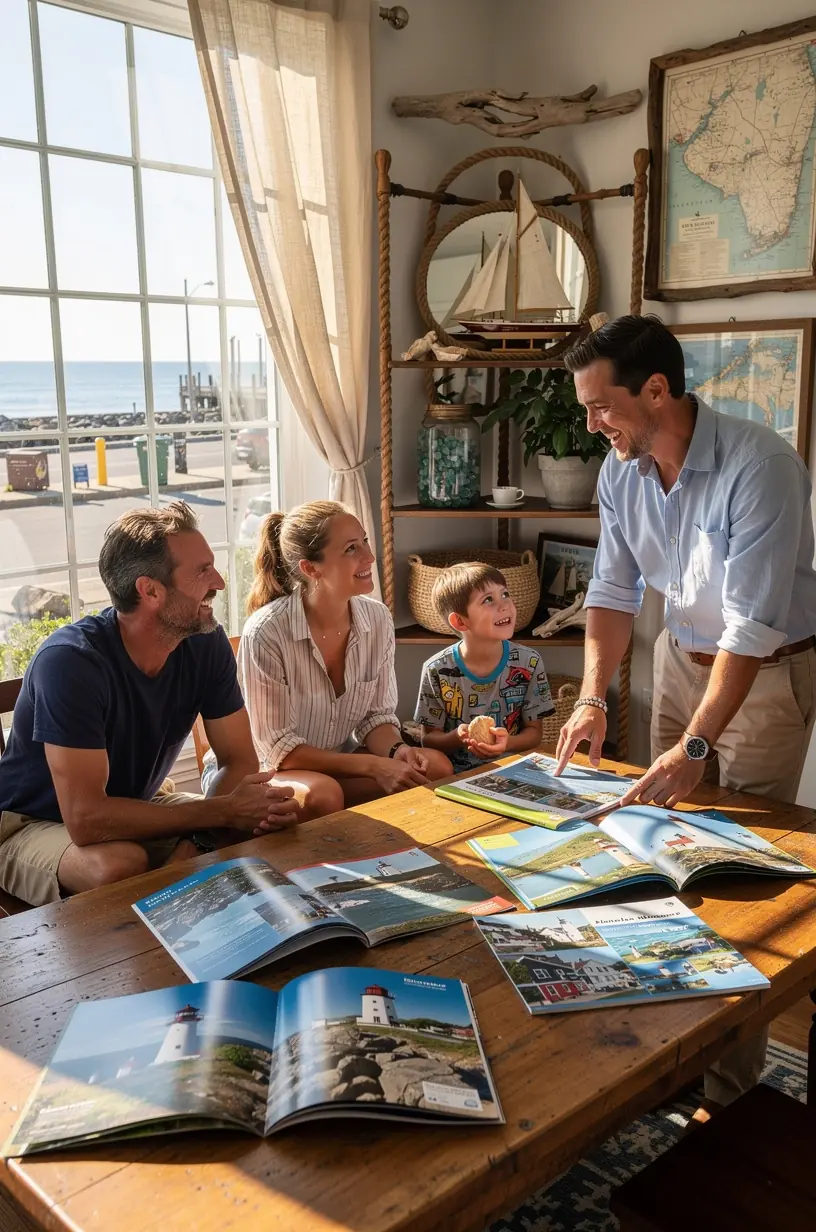
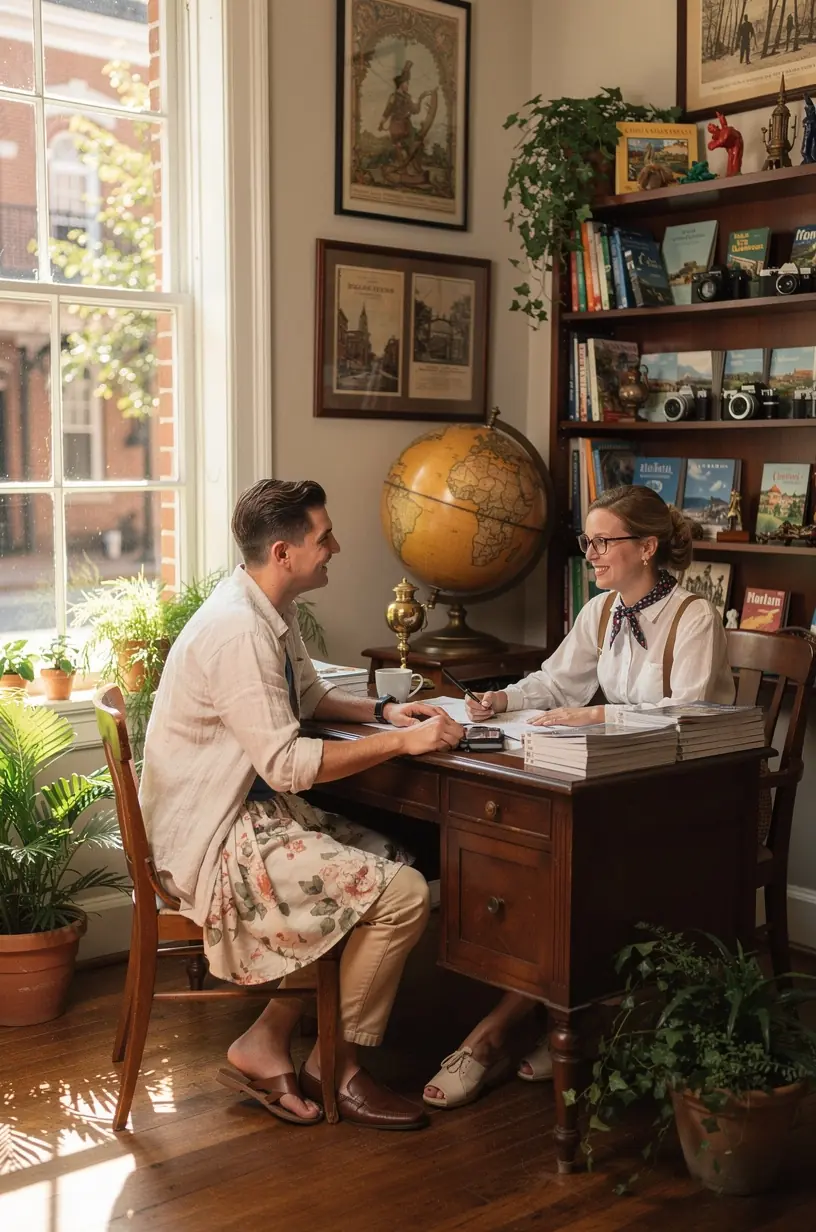
- Identify Interests: Start by discussing personal interests and preferences. This typically involves asking questions about hobbies, favorite activities, and any previous memorable trips.
- Research Destinations: Once interests are established, research potential destinations that align with these values. Experts recommend looking for locations that offer experiences related to art, food, adventure, or relaxation.
- Incorporate Local Culture: Ensure the journey includes opportunities to engage with local culture. This could involve arranging for guided tours, attending local events, or trying native cuisines, which often enhance the travel experience.
Recommended Practices for Crafting Journeys
In designing a personalized journey, consider these best practices:
- Start Early: Begin the planning process at least 2-4 weeks in advance. This allows ample time for research and adjustments based on preferences.
- Be Flexible: While having an itinerary is helpful, allow for spontaneity. Some of the most memorable experiences come from unplanned adventures.
- Seek Feedback: After the journey, solicit feedback to understand what worked well and what could be improved. This is particularly useful for future trips.
Conclusion
Crafting unique journeys is a rewarding process that requires careful consideration of individual preferences and interests. By following these practical tips, you can design travel experiences that not only meet but exceed expectations. Remember, the goal is to create meaningful memories and connections that last long after the journey is over.